
The Future of Search: How Google SGE Will Redefine SEO
In the digital age, the way we search for information online has dramatically evolved. From the early days of simple keyword-based searches to today’s highly intelligent Search Generative Experience (SGE), Google has continuously revolutionized how users interact with search. With the recent Google SGE update, the future of SEO is entering a whole new frontier. Businesses and marketers now face the challenge of adapting their strategies to thrive in a world where answers are AI-generated and conversational.
Cosider a scenario where businesses losing clicks and conversions even after ranking in top positions in Google search. Yes that’s a new normal in AI World influenced major consumer behavioru shift expecting more direct and AI-powered answers or no clicks results.
The Evolution of Google Search: Major Milestones
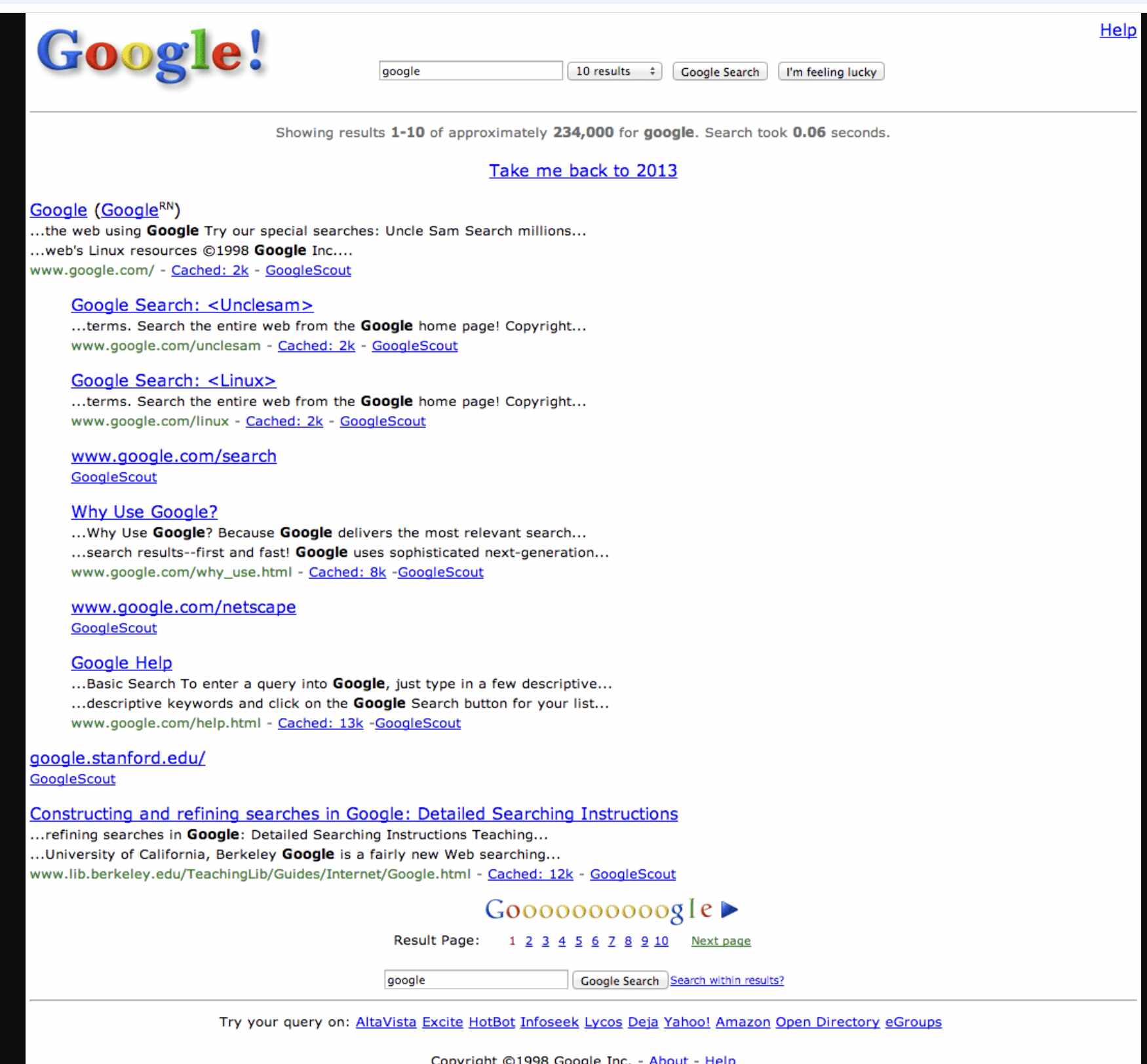
Here’s the frist look of google in 1998 with 25 million index pages and options to control number of results per page.

The Early Years – Keyword Matching & Blue Links
Initially, Google’s search engine presented a simple list of blue links based on keyword matching and backlink authority. Users entered keywords, and the best-matching websites appeared in a ranked list. SEO at this time was heavily focused on keyword stuffing and backlink strategies.
Major Algorithm Updates That Shaped SEO
Google search has gonge through a massive transformation. From simple list of blue links to rich results ( like review/rating, breadcrumbs snippets), knowledge graph, popular products, PAA(People Also Asked) Box and AI Overview. The only thing that has not changed is Google’s commitment to deliver best quality search results during this tansformation.
Google has consistently upgraded its algorithms to improve the quality of search results dealing different challenges like keyword stuffing, link spam, thin/duplicate content, exact match domains, security issues to site speed. Not to forget the mobile first shift influenced by mass smartphone adoption. Mobile queries surpassed desktop traffic by 2015, and that was one of the major shifts in Google’s journey adapting to changing consumer behavior. Not only the search algorithm that work in background to ensure the best quality results has transformed but also the how google intreacts with users to deliver best experience has gone through massive transoframtion.
Here are the list of major search algorithms update showing purpose and their SEO impact
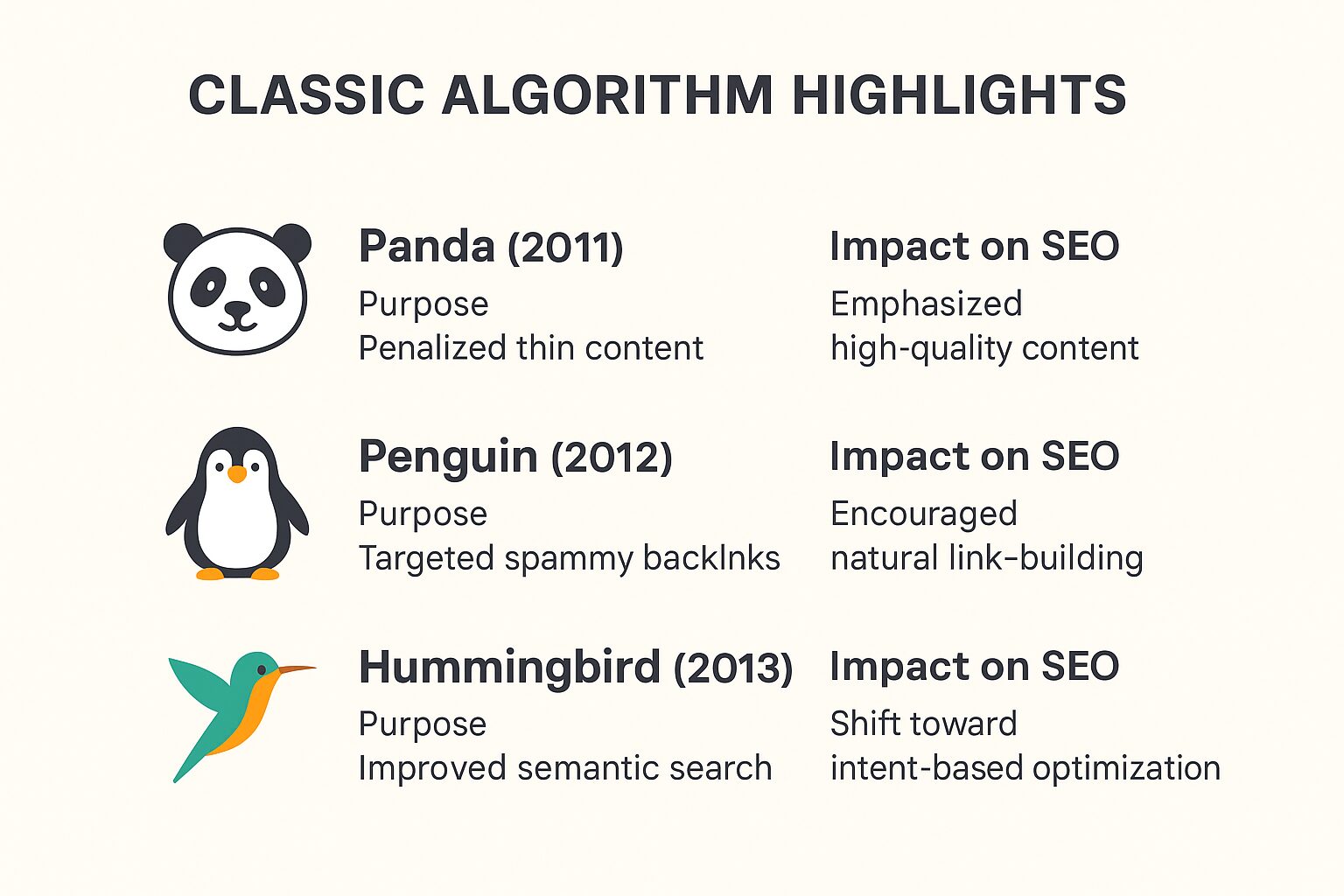
These algorithm changes forced marketers to focus more on content quality, relevance, and user experience.
Google Algorithm Updates Timeline (2021–2025)
Aug 26, 2025 · Spam Update
Global spam crackdown. Affects search results quality worldwide.
Jun 30, 2025 · Core Update
Improved long-term data ranking. Focus on content relevance and quality.
Mar 13, 2025 · Core Update
Enhanced context understanding, prioritizing helpful and authoritative content.
Dec 19, 2024 · Spam Update
Targeted low-value manipulative spam tactics globally.
Dec 12, 2024 · Core Update
Promoted high-quality, in-depth content over keyword-stuffed pages.
Nov 19, 2024 · Site Reputation Abuse Policy
Fighting “parasite SEO” and manipulation of search rankings.
Nov 11, 2024 · Core Update
Better ranking of trustworthy sources; demoting low-value content.
Aug 15, 2024 · Core Update
High-quality content prioritization, devaluing clickbait.
Jul 31, 2024 · Fake Content Update
Deepfakes and non-consensual explicit content targeted.
Jun 20, 2024 · Spam Update
Systematic spam reduction globally.
May 14, 2024 · AI Overviews (SGE Intro)
Gemini model introduced for AI-generated search summaries in U.S.
Mar 5, 2024 · Core Update
Major crackdown on unhelpful, manipulative content.
Nov 8, 2023 · Reviews Update
Improved product and service reviews accuracy and authority signals.
Oct 5, 2023 · Core Update
Enhanced ranking based on content experience, helpfulness, and authority.
Oct 4, 2023 · Spam Update
SpamBrain-powered spam detection and filtering expanded.
Sep 14, 2023 · Helpful Content Update
Rewarding genuinely helpful content over shallow, keyword-driven pages.
Aug 22, 2023 · Core Update
Greater focus on content relevancy and trustworthiness.
Apr 12, 2023 · Reviews Update
More stringent assessment of review content quality.
Feb 21, 2023 · Product Reviews Update
Specific focus on promoting high-quality, authentic product reviews.
Dec 14, 2022 · Link Spam Update
SpamBrain algorithm nullifies unnatural link signals.
Dec 5, 2022 · Helpful Content Update
Ensuring people-first content is ranked higher.
Oct 19, 2022 · Spam Update
Global coverage improvement in multiple languages.
Sep 20, 2022 · Product Review Algorithm Update
Algorithm enhancement to detect genuine reviews.
Sep 12, 2022 · Core Update
Core improvements to content quality evaluation.
Aug 25, 2022 · Helpful Content Update
Stronger focus on reducing low-quality pages in search results.
Jul 27, 2022 · Product Reviews Update
Emphasis on authentic product reviews over thin, affiliate-heavy content.
May 22, 2022 · Core Update
Continued focus on rewarding helpful, authoritative content.
Mar 23, 2022 · Product Review Update
Identification of high-quality, well-researched product reviews.
Feb 22, 2022 · Page Experience Update
Ranking boost for sites with excellent user experience.
Dec 1, 2021 · Product Review Update
High-quality, detailed reviews preferred.
Nov 30, 2021 · Local Search Update
Better local ranking signals and business listings.
Nov 17, 2021 · Broad Core Update
General algorithm refinement for relevance.
Jul 26, 2021 · Link Spam Update
Targeted guest posts, affiliate link manipulations demoted.
Jul 1, 2021 · Core Update
Better semantic understanding of content relevance.
Mobile-First Indexing & RankBrain
By 2015, mobile internet usage overtook desktop usage, prompting Google to implement mobile-first indexing. Websites that were not mobile-friendly saw significant drops in search visibility.
Simultaneously, RankBrain — an AI-powered algorithm component — began interpreting ambiguous queries to better understand user intent. Here’s an example from rankbrain, that enbales google to understand and respond based on context instead of matching word in a search query:
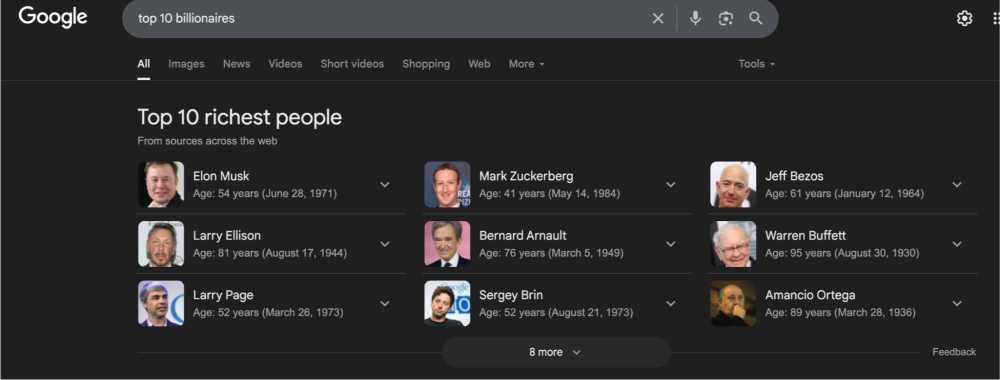
This marked a transition from pure keyword reliance to context and intent-focused search strategies, pushing SEO toward semantic and structured data practices.
Enter Google SGE: The Search Generative Experience
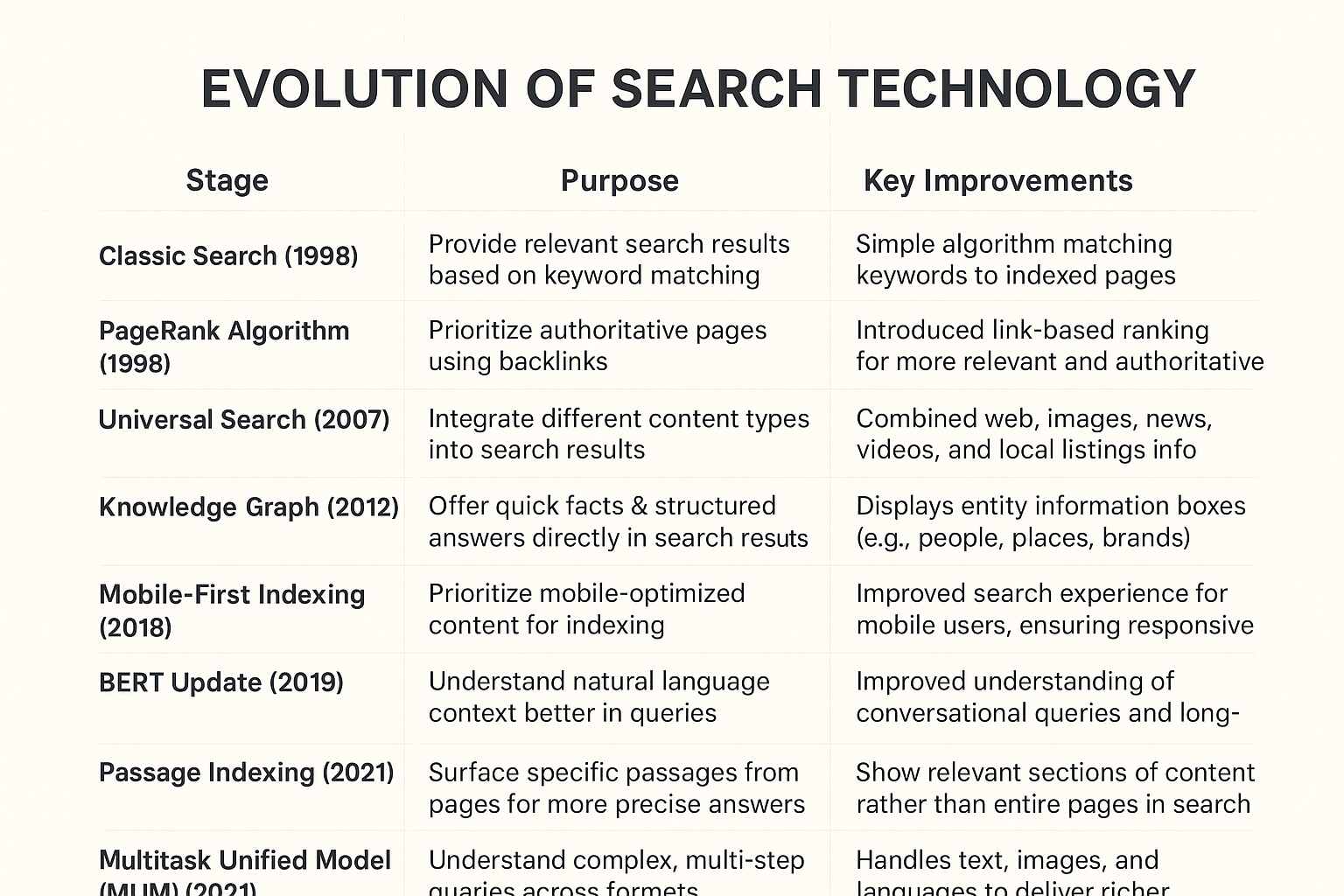
Google went through a massive transformation to reach the Google SGE shift, influenced by the increasing use of AI and large language models (LLMs) to deliver more direct answers. Lets take a closer look at the major shift happened throughout the way to reach to SGE stage:
What Is Google SGE?
Google SGE blends AI-powered language models with search to provide synthesized, conversational answers. Instead of multiple blue links, users now see a well-rounded answer directly on the search results page.
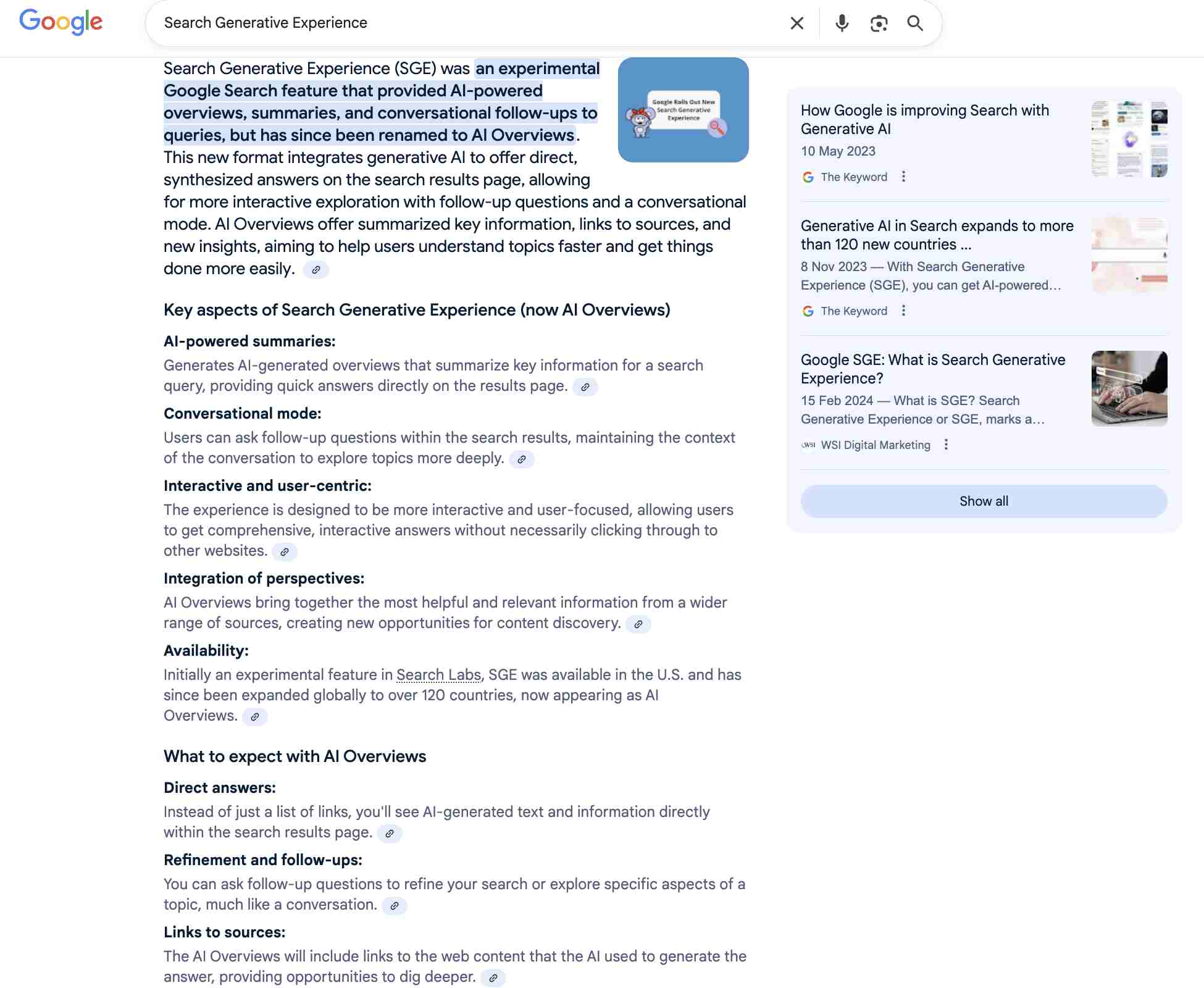
Key Features of SGE:
- AI-Generated Snippets offering concise answers
- Follow-Up Interaction, enabling users to ask additional questions naturally
- Seamless Integration with Google services (Maps, Knowledge Graph)
Getting your site featured in Google AI overview can help gaining more visibility and immediately grab the attention of your targeted audience. Have a look at following video from Google to understand AI overview in more detail
<iframe width=”560″ height=”315″ src=”https://www.youtube.com/embed/s4InWsd-J6g?si=6BeqeRYuX0RJyT8U” title=”YouTube video player” frameborder=”0″ allow=”accelerometer; autoplay; clipboard-write; encrypted-media; gyroscope; picture-in-picture; web-share” referrerpolicy=”strict-origin-when-cross-origin” allowfullscreen></iframe>
The Real Impact of SGE on SEO & Digital Marketing
According to Ahrefs, the chances of conversion increased by 23X for a website that appears in the AI overview compared to normal search results. That means website with top ranked position noticing a significant decline in clicks and conversion, welcome to the world of AI. Just showing up in top 10 ranking position in google search is no enough but building great experience, expertise, authority and trust is important than ever to enable your site appear in Google SGE. Checkout our AI SEO services to know how can you improve your chances to appear in AI overview.
Organic Visibility Challenges
With Google SGE, many search queries are answered directly within the search interface, often without requiring users to visit external sites. This leads to what marketers call “zero-click searches.” Studies show that around 65% of Google searches do not result in a click to a website. Ahrefs published a detailed study about the impact of AI overviews on Google Search.
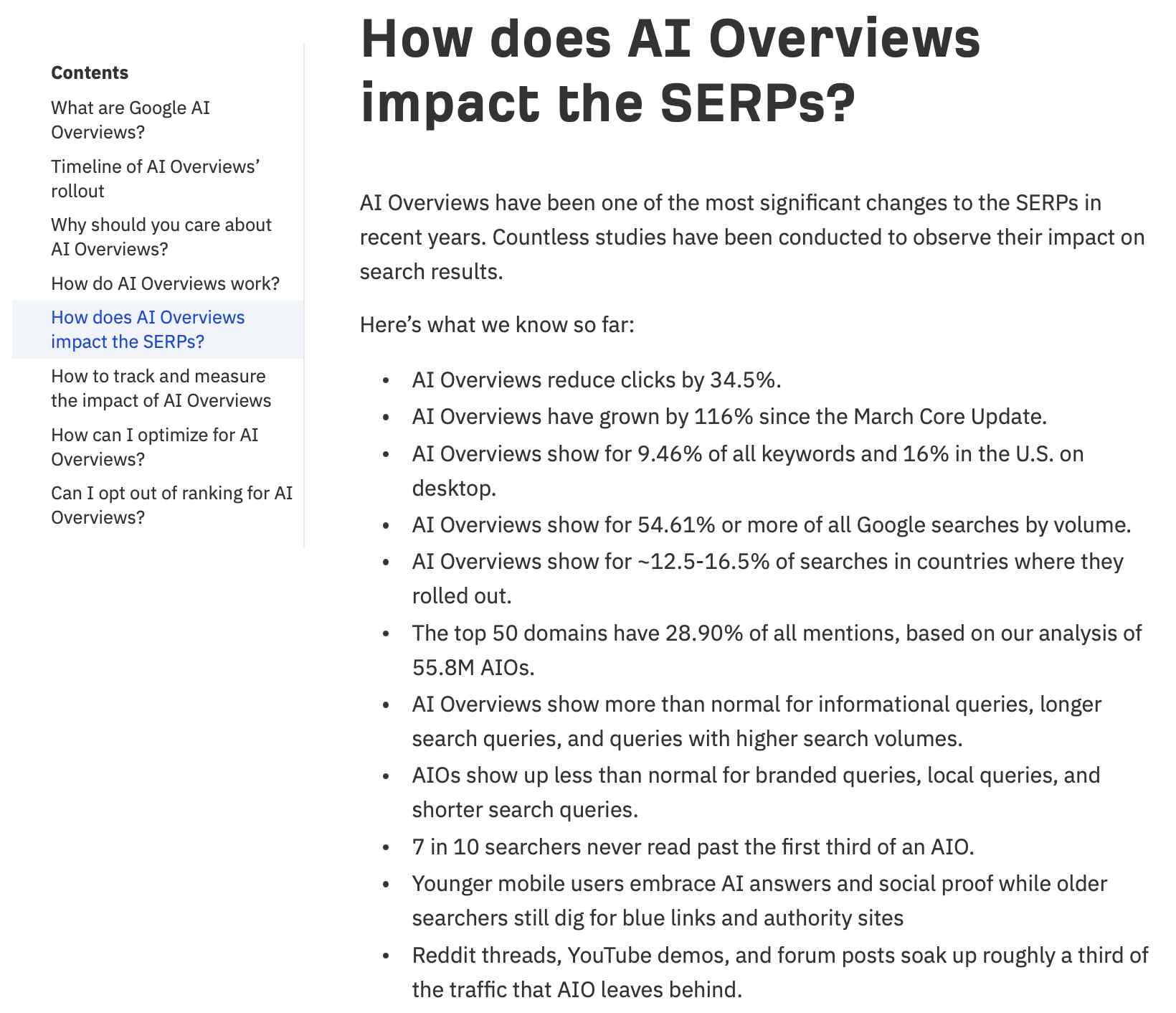
Source – Ahref
Generative Engine Optimization (GEO): The New Frontier
SEO is rapidly shifting toward GEO — optimizing content to be preferred by AI engines rather than just humans or traditional search bots. Key tactics include:
- Don’t block and allow AI Crawler to crawl your content
- Craft high quality content accredited by subject matter expert to establish authority and trust
- Structuring articles clearly with headers and lists to create good experience
- Target sites/publishers trusted and referenced frequently by AI tool
- Implementing schema markup to enhance AI understanding
Here’s live example of Generative Engine Optimization
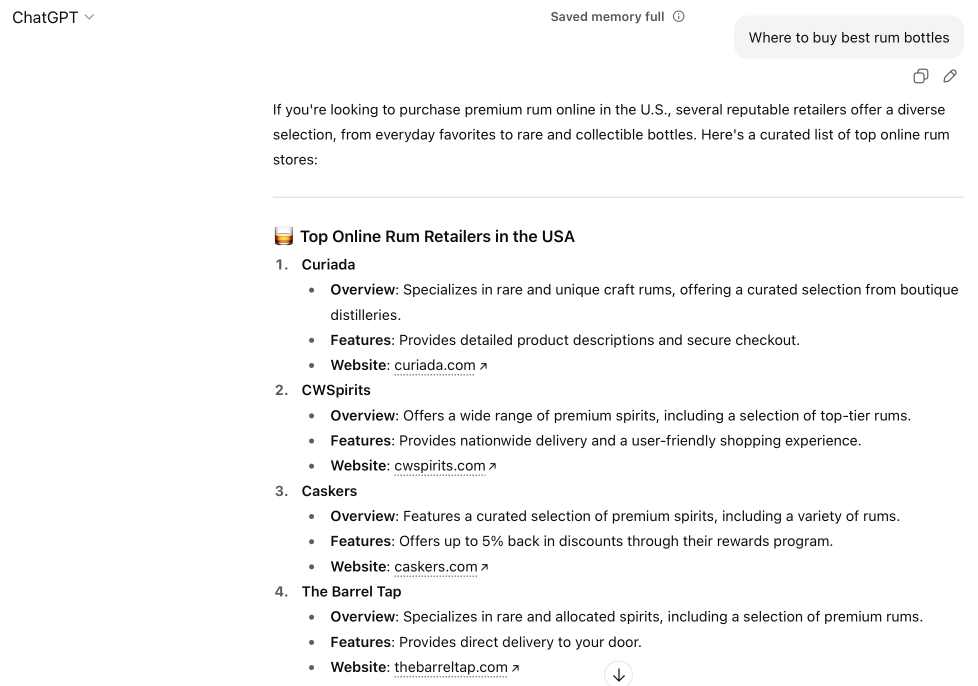
Want your site to be cited by AI tools like ChatGPT, Gemini, and more? Discover our AI SEO services to get started today.
Real-World Example: Impact on a Business
Let’s take a real-world example from one of our client’s sites in the alcohol eCommerce industry. Consider a page that previously ranked #1 for “whiskey brands.” With SGE, instead of showing the site in top results, Google now provides a comprehensive, AI-generated summary, drawing data from multiple sources. The category page sees a 25% drop in organic clicks through that search query.
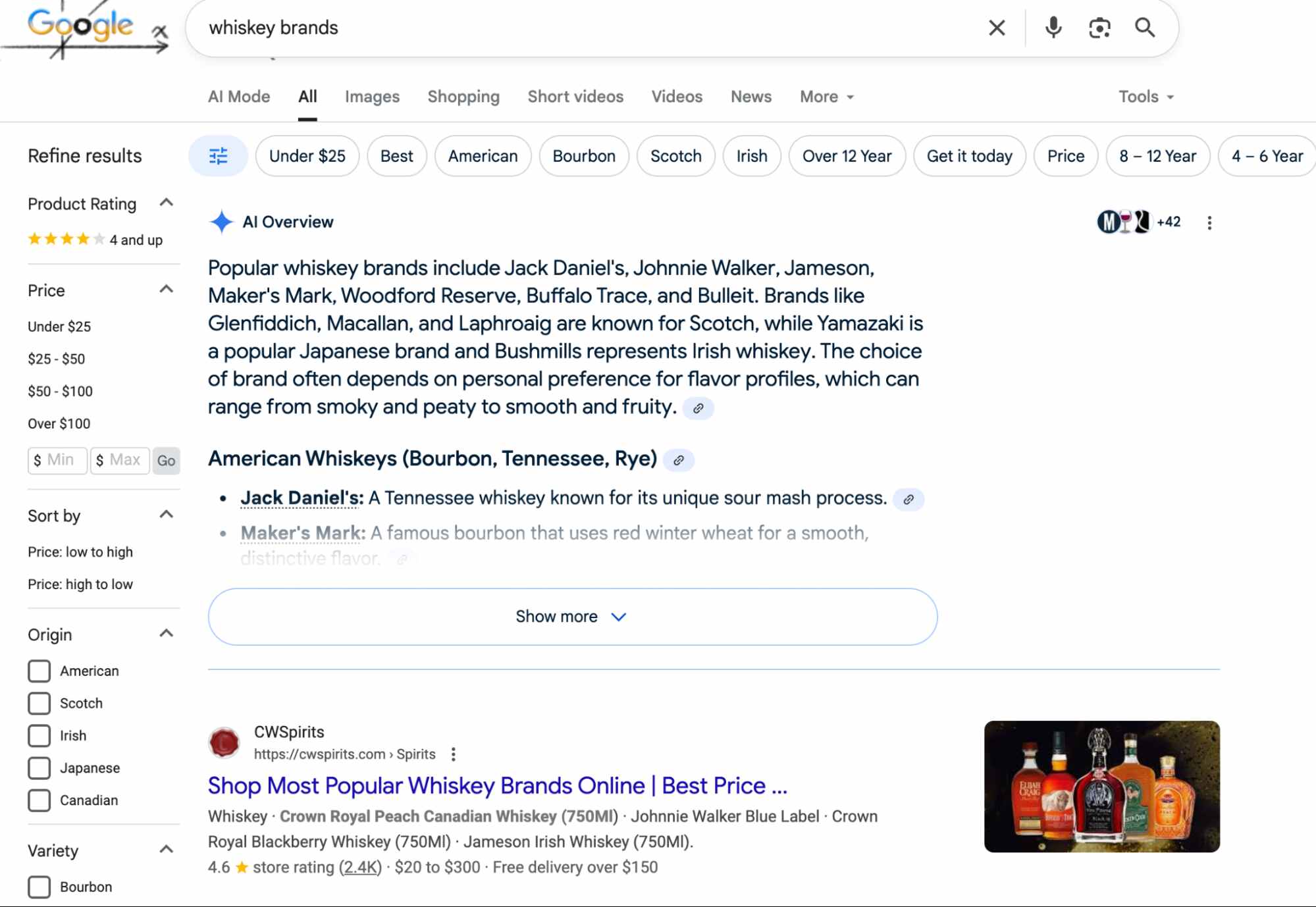
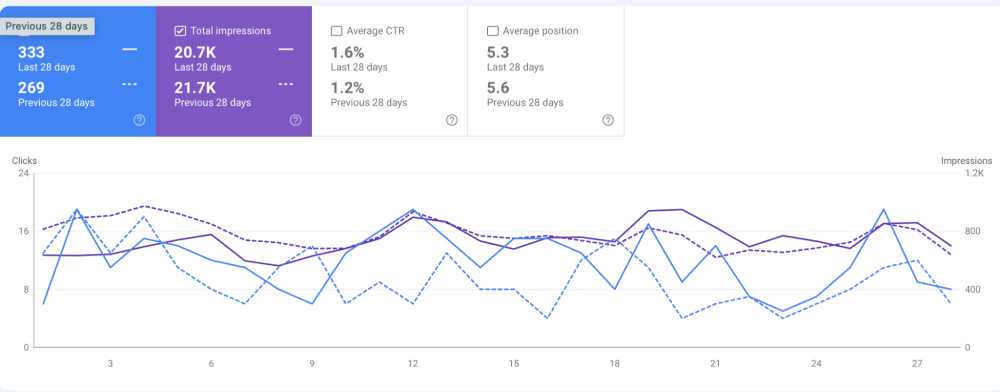
Want to learn how we achieved 256% organic growth for Country Wine and Spirits? Read the full case study here!!
How to Optimize for Google SGE
Optimizing for Google SGE is no different than building great quality content for users. The foundation is same with the slight adjustment in your content strategy focusing more on user intent to provide more direct and helpful answer over keyword frequency.
| Strategy | Why It Matters |
| Focus on User Intent | SGE prioritizes direct, helpful answers over keyword frequency |
| Optimize Content Structure for AI Summarization
Leverage Generative Engine Optimization (GEO) Build Topical Authority with Topic Clusters Demonstrate EEAT Improve Technical SEO Keep Content Updated & Accurate |
Clear headings, short paragraphs, and bullet points make content AI-friendly and scannable.
Writing in natural, conversational language helps AI understand and surface content. Pillar pages + supporting content boost expertise and relevance for key topics. Deomonstrate EEAT by showcasing author credentials, citing reputable sites ans sources etc Fast-loading, crawlable sites with schema markup increase AI indexing and visibility. Fresh, relevant content is prioritized by Google’s AI-driven systems. |
| Continuous Monitoring | Stay agile and adapt to new SGE developments |
The Future of Google Search & SEO
Looking ahead, Google’s integration of AI will deepen. Search will no longer be a linear process of typing keywords but an interactive, context-driven conversation. The focus will be on delivering highly personalized, immediate answers. According to ahrefs AI overview appears for 16% of total desktop search queries in the USA and it has been increased by 116% since March core update
Here’s an example from one of our client’s pages ranked in the AI overview for the keyword ‘cold pressed juice
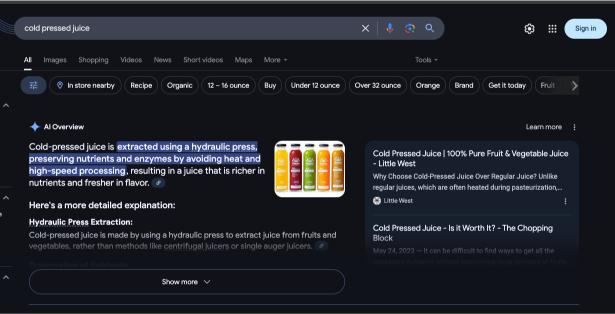
For marketers, this means continually evolving strategies, embracing AI-friendly content, and shifting from quantity-focused tactics to quality, authoritative writing. Don’t get left behind.
Supercharge your SEO strategy with our AI-focused services and get your brand featured in AI overviews like ChatGPT, Gemini, and more.
Conclusion: Navigating the New Search Frontier
As Google SGE continues to reshape the search landscape, the future of SEO is no longer just about ranking in the top 10. It’s about delivering authoritative, well-structured, and AI-friendly content that provides direct, valuable answers to user queries.
Businesses must adapt to this new reality by focusing on search intent, improving technical SEO, incorporating structured data, and building genuine expertise and trust. With AI-driven zero-click searches becoming the norm, merely optimizing for keywords won’t be enough.
Instead, the key to success lies in creating high-quality, engaging content designed for both humans and AI systems. The shift to Generative Engine Optimization (GEO) presents a huge opportunity for forward-thinking brands to rise above the competition and secure visibility in AI overviews.
The time to act is now—embrace the AI revolution and future-proof your SEO strategy.